From Baltimore to Indianapolis: The Move That Changed a Franchise
Few moments in NFL history are as dramatic, or as quickly executed, as the night the Colts left Baltimore for good — a single overnight relocation that reshaped the franchise’s identity and gave a new city a team of its own.
A Standoff Years in the Making
By the early 1980s, the relationship between the Colts and the city of Baltimore had grown deeply strained. The team’s owner had spent years pushing for stadium upgrades and a more favorable lease arrangement, while city and state officials weighed the cost of new public investment against other priorities. Negotiations dragged on without resolution, and frustration mounted on every side. Other cities, sensing an opportunity, began quietly courting the franchise with promises of new facilities and more attractive financial terms.
The Threat of Eminent Domain
As talks stalled, Maryland’s state legislature began advancing a bill that would have allowed the city to seize the team through eminent domain rather than let it leave. That threat changed the calculus entirely. Rather than risk losing the franchise through a legal process he couldn’t control, the team’s ownership made the decision to move immediately, before any law could take effect.
One Night, Several Moving Trucks
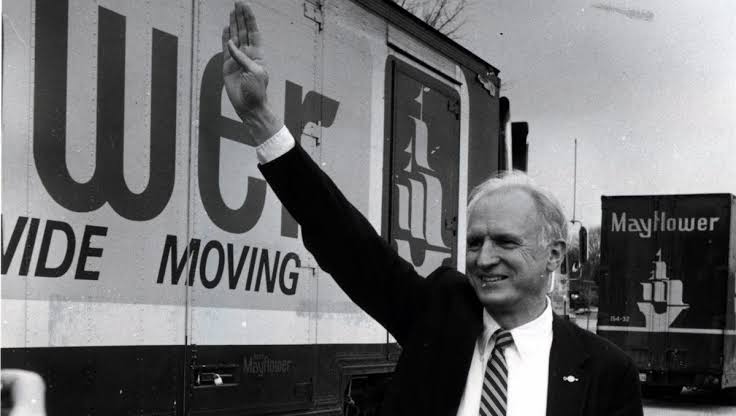
On the night of March 28 into March 29, 1984, a fleet of moving trucks arrived at the team’s Baltimore facility under cover of darkness, in the middle of a snowstorm. Equipment, files, and team property were loaded and driven out of the state before sunrise, along separate routes specifically chosen to avoid any last-minute legal effort to block the move. By the time most of the city woke up, the Colts were already gone. It remains one of the most abrupt and logistically dramatic relocations in the history of American professional sports.
A franchise with three decades of history in one city was gone in a single overnight operation — and the league, and the city, had to reckon with it the next morning.
Arriving in Indianapolis
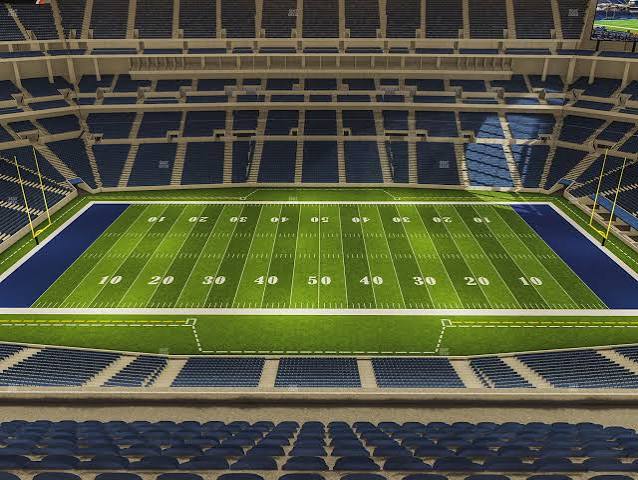
The team’s new home had been preparing for this possibility for some time, having built the Hoosier Dome specifically with an NFL tenant in mind. The Colts played their first Indianapolis season in 1984 at that venue, later renamed the RCA Dome, beginning a new chapter for a city that had not previously hosted an NFL franchise of its own.
A Complicated Legacy in Two Cities
The move left a lasting mark on Baltimore, where the abrupt departure became a cautionary tale referenced for years afterward in conversations about municipal stadium financing and franchise relocation nationwide. In Indianapolis, however, the Colts steadily became part of the city’s identity, eventually building a new downtown stadium and developing the kind of multi-generational fan base usually associated with much older franchises.
Why the Story Still Matters
Decades later, the 1984 relocation is still studied as a defining example of how quickly a sports franchise’s relationship with a city can unravel, and how completely a new one can be built elsewhere. It’s a reminder that a team’s history isn’t just about championships and rosters — it’s also about the business decisions and civic relationships happening away from the field, which can reshape a franchise just as dramatically as anything that happens during a game.
A Franchise Reborn
What began as an overnight escape became the foundation of a new, lasting football identity in the Midwest.