Linebacker Legacy: The Position That Built Colts Defense
If the quarterback has defined the offense’s history, the linebacker position has done much the same on the other side of the ball — the unit that reads, reacts, and holds a defense together from Baltimore’s earliest championship teams through today’s coverage-heavy game.
The Position That Sees the Whole Field
Linebackers occupy a unique spot on defense. They’re close enough to the line of scrimmage to be full participants in stopping the run, but far enough back to be asked to cover backs, tight ends, and occasionally slot receivers in space. That dual responsibility makes the position one of the hardest to scheme around and one of the most valuable when a team finds the right player for it.
An Identity Forged Early
During the Baltimore years, the Colts built a defensive identity around physical, instinctive linebacker play — defenders who could read a play before it fully developed and close space faster than blockers expected. That early emphasis on instincts over pure measurables set a template the franchise has returned to repeatedly: when in doubt, prioritize a linebacker who processes quickly over one who simply tests well.
Why the Position Ties the Defense Together
In our breakdown of how scheme shapes personnel, we noted that linebackers usually have to adapt fastest to whatever defensive system is in place. That’s because their job changes from snap to snap more than almost any other position — read the backfield, identify run or pass, fill the right gap or drop into the right zone, all within a second or two of the snap. A linebacker who’s slow to process those reads creates problems regardless of how talented the rest of the defense is.
A great defensive line can win individual battles. A great linebacker corps is what keeps an entire defense organized.
Coverage Responsibilities Have Grown
The modern game has added another layer to the position. As offenses have leaned more heavily on tight ends and running backs as receiving threats, linebackers are now expected to handle real coverage assignments, not just spy or zone drops. A linebacker who can match a tight end’s release and stay in phase down the field has become nearly as valuable as one who’s purely a run-stuffer — sometimes more so, depending on the opponent.
What to Watch For
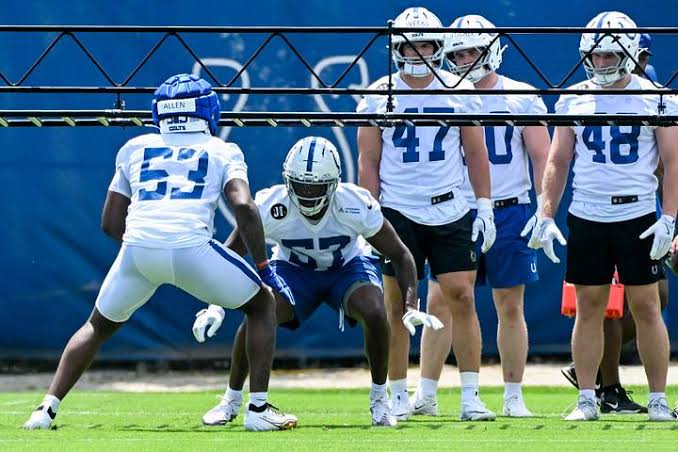
When evaluating linebacker play on Sundays, watch the first two steps after the snap more than anything else. A linebacker who diagnoses run or pass correctly and takes a direct angle to the play is usually a year or two ahead of one who hesitates and has to react late. That single habit — early, correct movement — separates good linebacker play from great linebacker play more than tackle totals ever will.
See How New Talent Joins This Group
Not every rookie linebacker plays early — here’s why.
Read Rookie Watch