The Quarterback Position: Why It Defines the Colts’ Ceiling
No other position has shaped the franchise’s fortunes — in two different cities — the way quarterback play has. From Unitas in Baltimore to the Manning era in Indianapolis, the position has consistently set the ceiling for every season that followed.
A Franchise Defined by Its Quarterbacks
Plenty of NFL teams have won with strong defenses or dominant running games carrying an average passing attack. The Colts, across most of their history, have not been that team. From the franchise’s earliest championship runs in Baltimore through its Indianapolis era, the quarterback position has consistently been the variable that decided whether a season was good, great, or disappointing.
The Unitas Standard
Johnny Unitas didn’t just play quarterback for the Colts — he helped define what the modern version of the position would look like. His ability to read defenses, change plays at the line, and operate with total command of the huddle set a standard that the organization, fairly or not, has measured every successor against ever since. The 1958 NFL Championship Game victory built largely on his execution in overtime remains one of the most cited examples of quarterback play deciding a legacy-defining moment.
The Manning Era and a New Bar
Decades later, in Indianapolis, the franchise found another quarterback who would reset expectations entirely. Drafted first overall in 1998, he became known as much for his preparation and command of the offense at the line of scrimmage as for his arm talent — a quarterback who frequently looked like he was calling his own plays in real time based on what the defense showed him. That era culminated in a Super Bowl XLI championship and cemented the position’s importance to the franchise’s identity for a generation of fans.
Different eras, different styles, same pattern: when the quarterback played at an elite level, the Colts contended. When that position struggled, so did the season.
What the Position Demands Today
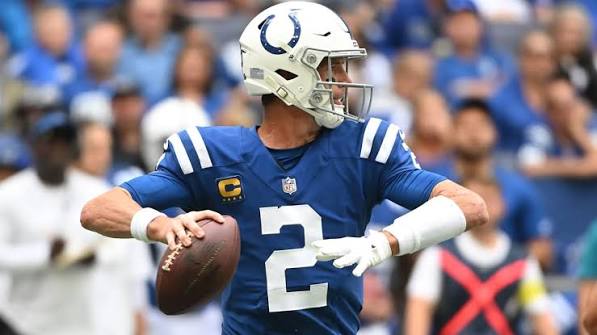
Modern NFL quarterbacks are asked to do more pre-snap work than ever — diagnosing coverage rotations, checking protections, and adjusting run-pass options based on a defender’s alignment, all before the ball is even snapped. Mobility has become a bigger part of the equation too, not necessarily as a primary weapon but as an escape valve that extends plays when the initial read isn’t there. A quarterback who combines processing speed with even modest movement skills creates a much wider margin for error for everyone else on the offense.
This ties directly into the offensive identity question we explore in building an identity around run-pass balance — a quarterback who trusts the running game and play-action off it tends to play within structure more consistently than one who feels he has to win every down through the air alone.
Why Continuity at the Position Matters
Beyond raw talent, what often separates a good quarterback era from a great one is continuity — with the same offensive coordinator, similar terminology, and a stable set of skill-position weapons. Quarterbacks who change systems every year or two rarely hit their full ceiling, no matter how talented they are individually. It’s a big part of why patience with a young passer, even through a rocky stretch, is usually the smarter long-term bet than chasing a reset.
See Who Protects the Position
No quarterback succeeds without the group in front of him.
Read About the Offensive Line