Unsung Heroes: Why the Offensive Line Matters More Than the Box Score Shows
No offensive lineman shows up in the highlight reel for a clean pocket that never got disrupted. That’s exactly the problem with how the position gets evaluated — and exactly why the group deserves a closer look than the stat sheet ever gives it.
The Position With No Box Score
Look at any postgame stat sheet and you’ll find passing yards, rushing yards, receptions, sacks, and tackles. You won’t find a single number that captures whether the offensive line did its job. That absence is exactly why the group is so frequently underrated by casual viewers — and exactly why coaching staffs spend so much of their evaluation time on film specifically tracking this unit, snap by snap.
Five Jobs, One Unit
Left Tackle
Usually faces the opposing defense’s best pass rusher and is asked to win in isolation more than any other lineman.
Left Guard
Anchors interior run-blocking and helps pick up blitzes from the middle of the formation.
Center
Makes the pre-snap line calls, identifies the defensive front, and adjusts protection on the fly.
Right Guard
Often the unit’s most physical run-blocker, asked to win short-yardage and goal-line situations.
Right Tackle
Faces a wide range of rush styles and must adjust technique snap to snap based on the matchup.
Why Continuity Beats Star Power
Offensive line play depends heavily on communication and timing between all five players, which means a line that’s played 500 snaps together usually performs better than a line with more individual talent but less shared experience. This is part of why a single injury up front can have an outsized ripple effect — it’s not just one player being replaced, it’s four established communication patterns being disrupted at once.
A great offensive line doesn’t make highlight reels. It makes everyone else’s highlight reels possible.
The Direct Link to Offensive Identity
Everything we discussed in building an offensive identity around run-pass balance depends on this group executing first. A quarterback can have a perfect read, but if the protection breaks down half a second early, the read never gets the chance to matter. A running back can have ideal vision, but if the line doesn’t win its individual blocks, there’s no lane to read in the first place.
How to Actually Watch the Line
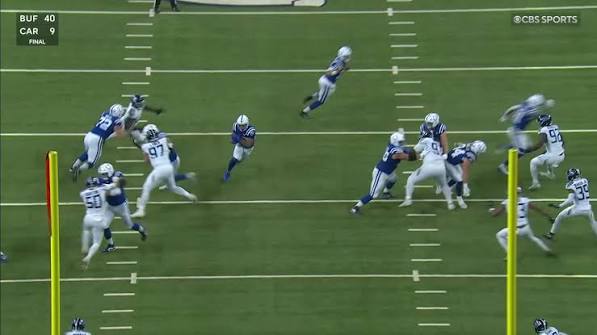
If you want to evaluate offensive line play for yourself instead of relying on the broadcast, try this: on running plays, watch whether the line creates a clear gap before the back reaches it, not after. On passing plays, count how long the quarterback has before he has to move his feet — anything under roughly two and a half seconds of clean pocket on a high percentage of dropbacks is usually a sign the line is struggling. It’s a simple habit, but it changes how you watch the game.
See How Scheme Shapes This Group
Run-blocking and pass-protection schemes change what teams look for up front.
Read About Offensive Identity